
How to Choose the Right Merch Suppliers for Your Australian Organisation
Discover how to find and evaluate merch suppliers in Australia for businesses, schools, and events. Expert tips on quality, pricing, and ordering.

Written by
Ollie Brown
Corporate Gifts
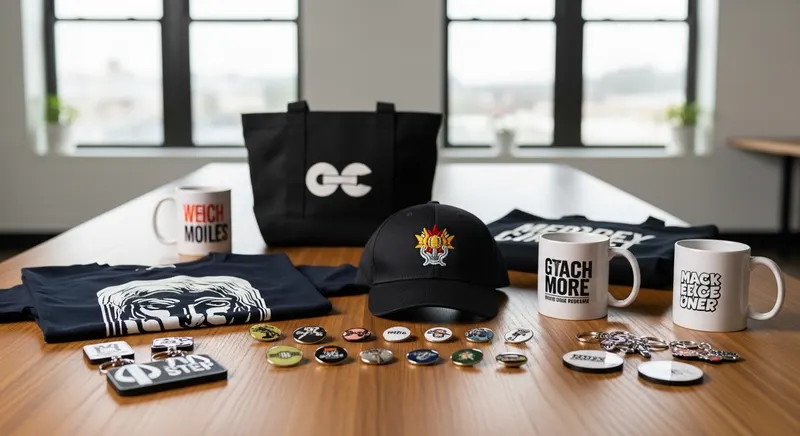
Choosing the right merch suppliers can make or break your next branded merchandise project. Whether you’re a Sydney-based corporate team preparing for a major conference, a Melbourne school gearing up for sports day, or a Brisbane nonprofit planning a fundraising drive, the supplier you partner with will directly influence your product quality, turnaround times, budget outcomes, and overall brand impression. With so many options in the Australian market, it can be genuinely overwhelming to know where to start — and more importantly, how to tell a great supplier from one that will leave you chasing deadlines and managing disappointment.
This guide cuts through the noise and gives you a practical, expert framework for evaluating, selecting, and working with merch suppliers across Australia.
What Do Merch Suppliers Actually Do?
Before diving into the selection process, it’s worth clarifying exactly what merch suppliers provide. At their core, they source, decorate, and fulfil branded or promotional products on behalf of organisations. But that’s a simplified view. A quality supplier does much more — they act as a strategic partner who helps you match product types to your goals, advises on decoration methods, manages artwork and proofing, and delivers finished goods within your timeline and budget.
If you’re still building your understanding of branded merchandise broadly, our overview of what merch actually is and how it works is a solid starting point before you get into supplier selection.
Merch suppliers in Australia typically operate in a few different models:
- Full-service promotional agencies that handle sourcing, decoration, and logistics end-to-end
- Wholesale distributors that sell blank products to decorators or direct to trade buyers
- Online-only platforms that offer templated customisation with automated ordering
- Specialist decorators who focus on a specific product category (e.g. embroidered apparel or laser-engraved drinkware)
Understanding which model suits your project type is the first step in finding the right fit.
Key Criteria for Evaluating Merch Suppliers in Australia
Product Range and Depth
A strong merch supplier should offer a broad and deep product catalogue. This matters because your needs will evolve. Today you might be ordering branded tote bags for a trade show; next quarter you might need hi-vis workwear for a field team in Perth, or eco-friendly drinkware for a sustainability initiative in Canberra.
Look for suppliers that cover:
- Custom apparel such as women’s polo shirts for work, caps, hoodies, and hi-vis vests
- Drinkware including sport water bottles, ceramic travel mugs, and branded keep cups
- Bags like work cooler bags, backpacks, and tote bags
- Outdoor and event items such as logo-branded umbrellas or blunt umbrellas
- Stationery including top-rated promotional pens and branded notebooks
- Eco products made from bamboo, recycled materials, or other sustainable alternatives
The wider the range, the more likely you are to source everything from a single supplier — which saves you time, reduces freight costs, and keeps branding consistent across product types.
Decoration Capabilities
Not all suppliers offer every decoration method, and the method you choose significantly affects both quality and price. Common decoration options include screen printing, embroidery, pad printing, laser engraving, sublimation, and heat transfer vinyl.
Understanding how wash resistance differs across printed and embroidered apparel is important when choosing between methods for wearable items. Embroidery typically offers greater longevity on fabrics, while sublimation produces vivid, full-colour results ideal for polyester garments and accessories.
If you’re in Queensland and need highly customised, full-colour products, it’s worth exploring sublimation services for promotional products in Brisbane to understand what’s possible at scale.
Minimum Order Quantities (MOQs)
MOQs vary widely across suppliers and product types. Screen-printed t-shirts might require a minimum of 25–50 units, while laser-engraved items or premium awards may have MOQs as low as one or five pieces. For schools or small community organisations with tighter budgets, MOQs are a critical filter.
Always confirm MOQs upfront. Some suppliers advertise low prices but bury high minimums in the fine print — particularly relevant for specialty items like personalised tea towels or cotton tea towels with custom prints.
Turnaround Times
Rushed orders are costly. Standard production turnaround in Australia typically runs seven to fifteen business days for most printed and embroidered products, though some suppliers offer express services for an additional fee. Offshore-sourced products requiring sea freight can add four to eight weeks to your timeline.
Key questions to ask any merch supplier:
- What is your standard turnaround from artwork approval to dispatch?
- Do you offer rush or express production?
- Where are your products warehoused — locally in Australia or overseas?
- What are your freight options across states and territories?
For events-based merchandise like wristbands for events or event wristbands in bulk, timing is non-negotiable. Build buffer time into your project plan and confirm despatch dates in writing.
Sustainability and Ethical Sourcing
In 2026, sustainability is no longer a “nice to have” — it’s increasingly a procurement requirement, particularly for government departments, universities, and ASX-listed companies. When evaluating merch suppliers, look for those who offer verified eco-friendly product ranges and can provide transparency about their supply chains.
Our detailed guide to sustainable promotional products covers the certifications and materials to look for, and our post on sustainable product sourcing explores how to integrate eco considerations into your broader procurement strategy.
Ask potential suppliers about:
- GOTS or OEKO-TEX certified fabrics for apparel
- FSC-certified paper and cardboard products
- Recycled PET drinkware, such as branded water bottles made from recycled materials
- Biodegradable packaging options
A Melbourne council sourcing conference bags or a Gold Coast university ordering orientation merchandise will find that eco-credentials matter increasingly to their stakeholders — and the right supplier will be able to demonstrate real accountability, not just marketing language.
Pricing Structures and Budget Planning
Understanding Setup Fees and Bulk Pricing
Most merch suppliers in Australia charge a one-off setup fee for each decoration method per product. This covers screen setup, embroidery digitising, or engraving programming. Setup fees typically range from $30 to $80 per colour or position, and can significantly affect the per-unit cost for smaller orders.
Bulk pricing tiers generally kick in at quantities like 50, 100, 250, and 500+ units. The more you order, the lower the per-unit price — though the total spend obviously increases. It’s worth building a simple cost-per-unit spreadsheet to compare quotes across suppliers at your target quantity.
Getting Accurate Quotes
For a fair comparison across multiple merch suppliers, always provide identical briefs. Include:
- Exact product type and quantity
- Number of print positions and colours
- Required turnaround date
- Delivery postcode and state
Vague briefs lead to vague quotes and unexpected costs down the track. If you’re sourcing gym towels with branding or wholesale umbrellas for an event, being specific about dimensions, colour, and print placement will save you significant back-and-forth.
Red Flags to Watch For
Even experienced procurement managers can get caught out by suppliers who underdeliver. Here are the warning signs to avoid:
- No product samples available — Reputable suppliers offer pre-production samples, even if they charge a nominal fee. Never commit to a large order without physically approving a sample.
- No proof approval process — You should always receive a digital proof before production begins. If a supplier skips this step, your artwork accuracy is at risk.
- Unclear artwork specifications — Professional suppliers provide clear artwork guidelines upfront, including preferred file formats, minimum resolution, and colour matching processes (such as PMS matching for brand-critical colours).
- No Australian business registration or ABN — Always verify the supplier is a registered Australian business before making payments.
- Suspiciously low prices with no MOQ — This can indicate a print-on-demand dropshipper with inconsistent quality and no real quality control processes.
Seasonal Ordering and Planning Ahead
Smart organisations plan their merchandise ordering in advance, particularly around peak periods. The lead-up to Christmas, the start of the Australian school year (January–February), EOFY (June), and major conference seasons all create pressure on production capacity across the industry.
If you’re an organisation in Sydney looking to capitalise on summer with branded outdoor products, our guide to summer promotional products in Sydney provides a seasonal planning framework that’s easy to adapt.
Ordering four to six weeks ahead of your deadline is a safe baseline. For custom apparel with multiple colourways or complex embroidery, allow even more time — particularly if you need to iterate on samples.
Building a Long-Term Supplier Relationship
The best merch suppliers become genuine partners over time. Once you’ve found a supplier who consistently delivers quality, meets deadlines, and communicates proactively, it’s worth nurturing that relationship. Benefits include:
- Priority access during peak production periods
- Faster turnaround for repeat order types (no re-digitising, no new setup fees)
- Better pricing as your annual spend grows
- A supplier who understands your brand standards without needing to start from scratch every time
Provide regular feedback, pay invoices on time, and be clear about your future requirements. Suppliers value organised, communicative clients — and that goodwill often translates to better service when you really need it.
Key Takeaways
Choosing the right merch suppliers for your Australian organisation is a strategic decision, not just a transactional one. Here’s what to keep in mind:
- Evaluate product range, decoration capabilities, MOQs, and turnaround times before committing to any supplier
- Prioritise suppliers who offer eco-friendly options if sustainability is a requirement for your organisation or procurement policy
- Request identical, detailed briefs when comparing quotes to ensure you’re making a fair, apples-to-apples comparison
- Watch for red flags such as no sample process, no proof approvals, or unclear artwork specifications
- Plan well ahead of your deadline — especially during peak ordering periods — and consider building a long-term relationship with a supplier who consistently delivers
The right merch supplier won’t just deliver a box of branded products. They’ll help you make a stronger impression on every customer, employee, student, or event attendee who receives them.