
How to Order a Company Polo Shirt With Logo: The Complete Australian Guide
Everything Australian businesses and schools need to know about ordering company polo shirts with logo — decoration, MOQs, budgeting and more.

Written by
Max Sharma
Custom Apparel
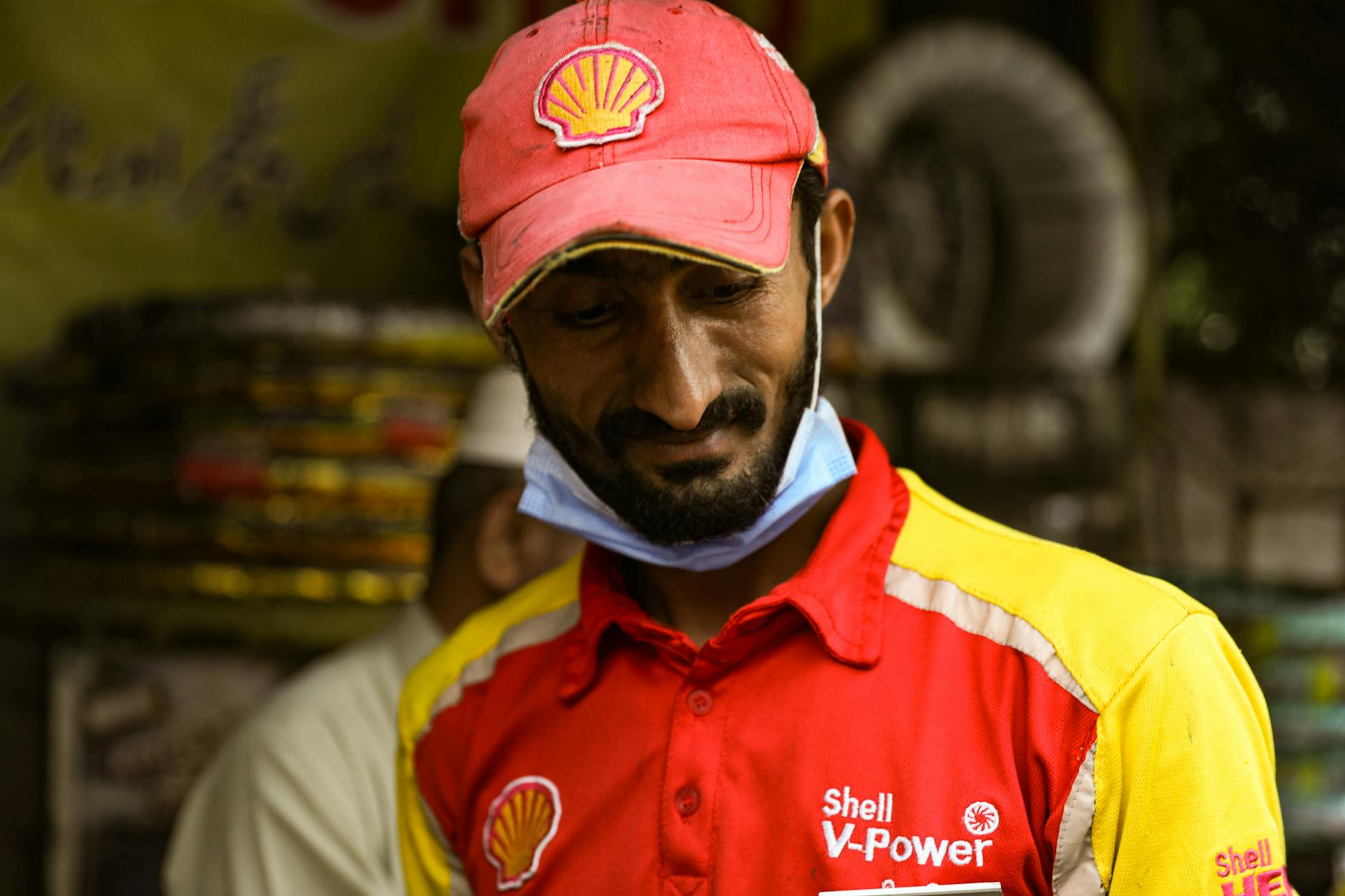
Few branded items do more heavy lifting for an organisation than a well-made company polo shirt with logo. Whether your team is out on a worksite in Perth, running a school sports carnival in Brisbane, or staffing an exhibition booth at a Melbourne trade show, a quality branded polo instantly communicates professionalism, builds team identity, and keeps your brand visible in the real world. But ordering custom polo shirts for the first time — or even the tenth time — can feel overwhelming. There are fabric choices, decoration methods, MOQs, sizing runs, and artwork requirements to navigate before a single shirt is printed. This guide walks you through everything you need to know to get it right.
Why a Company Polo Shirt With Logo Is One of the Smartest Branded Investments
Promotional merchandise comes in all shapes and sizes, from personalised drink bottles to promotional keyrings, but branded apparel holds a unique position in the marketing toolkit. Unlike a giveaway item that might sit in a drawer, a polo shirt gets worn repeatedly — at work, at events, around town on weekends. Every wear is essentially a free advertisement for your brand.
Research consistently shows that wearables rank among the most recalled categories of promotional products. When you think about how to align your spend with genuine marketing outcomes, it helps to understand how to match promotional products to your marketing objectives before committing to a large apparel order. A polo shirt works especially well when brand visibility, team cohesion, and professional presentation are your primary goals.
Consider also the economics. According to industry benchmarks on promotional product spending per employee, branded workwear routinely delivers some of the highest cost-per-impression ratios of any marketing spend — particularly when the garments are durable enough to withstand regular washing. Speaking of which, understanding wash resistance for printed and embroidered apparel is critical if you want your logo to look sharp after six months of weekly washes, not just on day one.
Choosing the Right Fabric and Fit for Your Polo
Not all polo shirts are created equal. The fabric you choose will affect comfort, durability, print quality, and price — so it’s worth spending a few minutes on this decision.
Cotton vs. Polyester vs. Cotton-Polyester Blends
100% Cotton: Breathable, comfortable against the skin, and popular for corporate and school environments. Cotton takes embroidery particularly well and has a premium feel. The downside is it wrinkles more easily and can shrink if not properly washed.
100% Polyester or Performance Fabrics: Ideal for outdoor roles, sports events, and hi-vis applications. Polyester is moisture-wicking, quick-drying, and holds colour well. It’s also the fabric of choice for sublimation printing, which can produce full-colour, edge-to-edge designs.
Cotton-Polyester Blends (Typically 65/35 or 50/50): The sweet spot for many organisations. You get the comfort of cotton with the durability and shape retention of polyester. These blends also handle both screen printing and embroidery reliably.
Fit Considerations
Corporate environments typically favour a tailored or semi-fitted cut. Tradie and outdoor workwear contexts often suit a relaxed fit with longer shirt tails. For school uniforms, always order sample sizes and check your supplier’s size chart against the actual measurements — children’s sizing varies significantly between manufacturers.
Decoration Methods: Embroidery vs. Screen Printing vs. Other Options
This is where many buyers get confused, and it’s genuinely one of the most important decisions you’ll make. The decoration method you choose affects durability, look, cost, and minimum order quantities.
Embroidery
Embroidery is the gold standard for corporate polo shirts. It gives your logo a premium, textured appearance that signals quality and longevity. Embroidery is exceptionally durable — it won’t crack, fade, or peel like some print methods, making it ideal for uniforms that are washed frequently.
The main consideration with embroidery is file conversion. Your artwork needs to be digitised into a stitch file, which usually involves a one-off setup fee. Highly detailed logos with thin lines or gradients can be challenging to reproduce accurately in stitch form, so simpler logo designs tend to work best. Chest left logos and sleeve placements are both popular for corporate polos.
Screen Printing
Screen printing is excellent for larger logos, back prints, or event-specific designs where vibrant colour is the priority. It’s typically more cost-effective at higher quantities (usually 50 pieces or more) because the setup cost per screen is spread across the order. Screen printing works best on cotton and cotton-blend fabrics, and the ink is applied in flat layers — so it handles bold, graphic-style artwork better than fine details.
If you’re based in Western Australia and exploring decoration options, learning more about heat transfer services for promotional products in Perth is worthwhile as an alternative for smaller runs or complex full-colour artwork.
Sublimation
Sublimation allows for stunning, photographic-quality, full-colour designs that are literally dyed into the fabric fibres — meaning they’ll never crack or peel. However, sublimation only works effectively on white or very light-coloured 100% polyester garments. It’s popular for sports teams, event polos, and organisations that want a bold, all-over design. If you’re in Queensland and want to explore this option, sublimation services for promotional products in Brisbane can give you a better understanding of what’s achievable.
Pad Printing and Heat Transfer
For very small runs or unique placement requirements, heat transfer and pad printing are also options. These tend to suit situations where embroidery setup costs aren’t justified, or where the design requires a level of detail that screen printing can’t achieve.
Understanding MOQs, Pricing, and Lead Times
Minimum order quantities (MOQs) for custom polo shirts typically start at around 6–12 pieces for embroidery, and 24–50 pieces for screen printing, depending on the supplier and number of colours in the design. If your organisation needs smaller quantities — say, a few shirts for a small team or a pilot run — it’s worth looking into promotional products with no minimum order to understand your options.
Typical Price Ranges
As a general guide for the Australian market in 2026:
- Basic cotton-poly polo, embroidered logo: $25–$45 per shirt at standard quantities
- Premium corporate polo, embroidered: $45–$80+ per shirt
- Sports polyester polo, screen printed: $18–$35 per shirt at 50+ units
- Fully sublimated polo: $35–$60 per shirt depending on complexity
Bulk ordering always reduces your per-unit cost, so if you’re planning annual uniform replenishments, ordering a larger quantity once rather than multiple small runs throughout the year will save you money. Setup fees (for embroidery digitisation or screen printing screens) are usually charged once and can be waived on reorders.
Lead Times
Standard production turnaround for branded polo shirts in Australia is typically 2–4 weeks from artwork approval. Rush orders may be available (often with a surcharge) for a 5–10 business day turnaround. If you’re ordering for a specific event — a school athletics carnival, a conference, an AGM — always build in buffer time. It’s also worth reviewing promotional giveaways for annual general meetings in Australia if you’re pairing your polo order with other branded items for an upcoming event.
Getting Your Artwork Right
Your logo file quality will directly impact the final result. Vector files (.ai, .eps, or .pdf with editable paths) are the preferred format for almost all decoration methods because they scale without losing quality. If you only have a JPEG or PNG, ask your supplier whether they can work with it — some can, especially for digital decoration methods, but results may vary.
For embroidery, your supplier will need to convert your artwork into a stitch file. Always request a digital proof (a stitch-out preview) before production begins so you can check thread colours, sizing, and placement. PMS colour matching is available with most reputable suppliers and ensures your brand colours are as accurate as possible.
Practical Tips for Schools and Corporate Teams
A Brisbane primary school ordering custom polo shirts for a house sports day has very different needs from an Adelaide corporate law firm outfitting its client-facing team. Here are some tailored tips:
For schools: Order a size run that includes children’s and adults’ sizes. Consider a moisture-wicking polyester for active events, and budget for at least 10–15% extra shirts to account for sizing exchanges. Make sure the logo is placed consistently on each shirt — left chest is the standard.
For corporate businesses: Invest in quality fabric and embroidery. A premium polo worn by your team at a client meeting or trade show in Sydney or Melbourne reflects directly on your brand. Pair your polo order with complementary branded items — reusable corporate gifts like keep cups or tote bags can round out a professional team pack.
For events and conferences: Consider numbered editions or event-specific colours to make the shirts feel special. Summer promotional products in Sydney contexts — think outdoor festivals, networking events, or corporate beach days — lend themselves to lighter fabrics and more casual polo styles.
If you’re sourcing branded merchandise in the Northern Territory, it’s also helpful to know what promotional products suppliers in the NT can offer in terms of local stock and production capabilities.
Caring for Your Branded Polo Shirts
This is an area many organisations overlook until their shirts start looking tatty after a few months. For embroidered poloshirts, always wash inside out on a gentle cycle in cold water. For screen-printed shirts, avoid tumble drying at high heat as this can crack the ink over time. Our detailed wash resistance guide for printed and embroidered apparel covers exactly how to care for each decoration type so your branding stays crisp for longer.
Conclusion: Key Takeaways for Ordering a Company Polo Shirt With Logo
A company polo shirt with logo is one of the most effective, versatile, and enduringly popular branded items available to Australian organisations. When ordered thoughtfully, they deliver outstanding value — building team identity, communicating professionalism, and keeping your brand front and centre in everyday life.
Here are the key things to remember:
- Choose your fabric based on the end use — cotton or cotton-blend for corporate and school uniforms; polyester or performance fabrics for active and outdoor environments
- Match your decoration method to your design — embroidery for clean corporate logos; screen printing or sublimation for bold, colourful, or event-specific artwork
- Get your artwork right from the start — vector files and a digital proof approval will save you costly reprints
- Plan your timeline carefully — allow 2–4 weeks minimum from artwork approval, and more if you’re ordering around peak periods
- Buy in bulk where possible — setup fees amortise across larger quantities, making per-unit costs significantly more competitive
- Don’t neglect care instructions — the longevity of your branded poloshirts depends as much on how they’re washed as on the quality of the decoration itself